How To Find Viral-Worthy Stories To Share On 𝕏 (Even If You "Think" You Have Nothing To Share

If you can tell a compelling story, you can shape the world.
But most people believe they have nothing worth sharing.
So, I use these 3 simple ways to find viral stories in small, everyday moments.
For context:
I learned these practices from Matthew Dicks' book, "Storyworthy."
📷
To tell great stories, master these 3 frameworks:
Homework For Life
Crash and Burn
First, Last, Best, Worst
In this post, I’m going to show you how to use them.
Most people think stories have to be some incredible adventure, like the movies.
But the truth is, you have storyworthy moments every single day.

You've just never stopped to think about & capture them:
Framework #1: Homework For Life
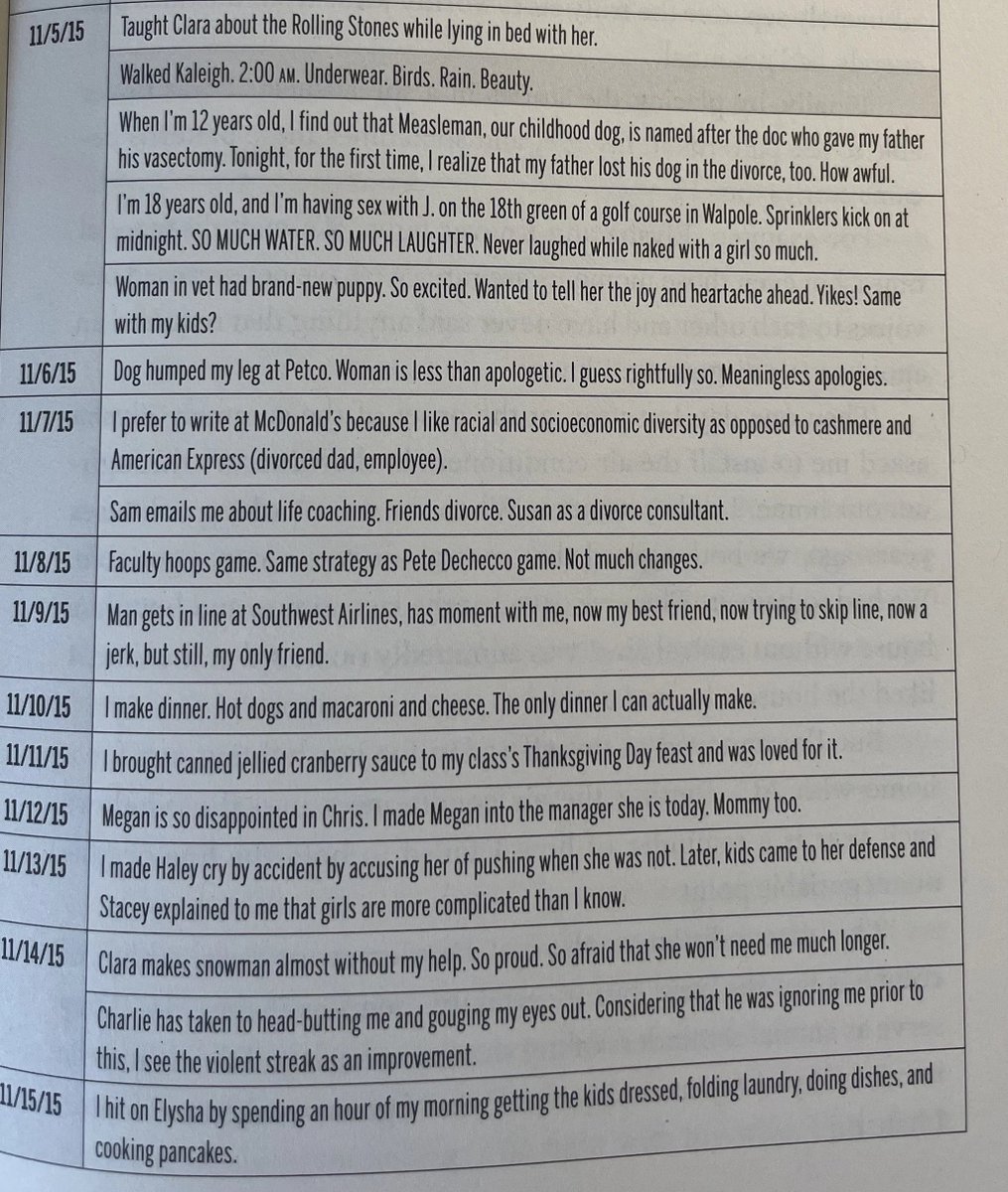
If you had to tell a five-minute story about something that took place over the course of the day, what would it be?
And all you have to do is write one sentence about it.
Finding stories is a skill you need to practice every day.
And that's the beauty of Homework For Life:
Two columns (date and story)
Five minutes, one story, one sentence
Simple enough to do even on your busiest days.
And once you start doing this, time slows down.
You assemble a list stories
You appreciate moments you've overlooked
You recognize storyworthy moments in the simplest things
All in five minutes per day.
Framework #2: Crash and Burn
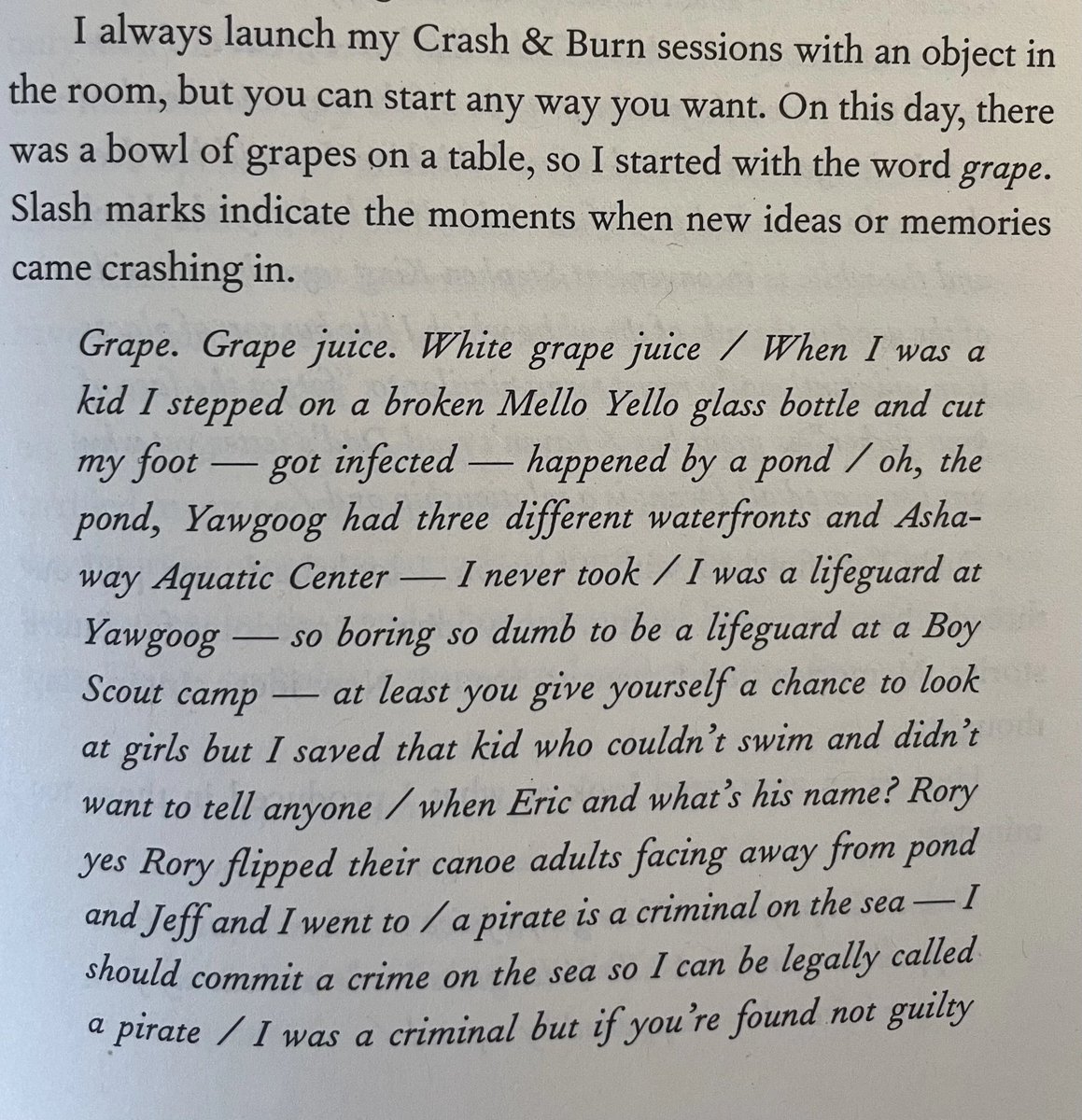
The goal of Crash and Burn is to clear the ideas clogged up in your head and get them onto the page.
Dicks calls it "dreaming from the end of your pen."
It's a simple five-minute stream of consciousness writing exercise with three rules:
Rule 1: You must not get attached to any one idea
They're going to fly from every direction:
Ideas you've forgotten
Ideas you can't stop thinking about
Ideas you've never consciously considered
Lean into this.
Rule 2: You must not judge any thought or idea that appears in your mind
Every idea that pops into your head must make it onto the page.
Give yourself permission to spill your guts on the page.
Rule 3: You cannot allow the pen to stop moving
This is the most important rule.
If you feel yourself slowing down, start listing items until they trigger a memory:

Fruits
Colors
People
Numbers
Whether you're freewriting or on a keyboard, don't stop.
Dicks recommends doing Crash and Burn every day for 15 minutes.
The freewriting session lasts five minutes. And afterward, you spend 10 minutes reading it over, finding the storyworthy threads.
The first time I did this, it blew my mind how many stories and ideas I found.
Framework #3: First, Last, Best, Worst
This is one of my favorites.
As you go about your life, you forget many of your storyworthy moments.
They're like gaps in your memory, waiting to be filled.
And First, Last, Best, Worst is built to fill those gaps.
To do this exercise, make a grid with five columns along the top:
Prompt

First
Last
Best
Worst
And under the prompt column, list any of the following prompts:
Pet
Job
Skill
Gift
Book
Travel
Trouble
Advice
Investment
Find your first, last, best, and worst moment or memory for each prompt.
This creates an ABSURD amount of raw material for storytelling.
But the key is to write a story every day.
Here's how I stay consistent with my writing:
Want to become a prolific Digital Writer in just 5 days?
I wrote a free crash course to help you:
Go viral with ease
Generate endless content ideas
Attract readers & dominate your niche
In other words, everything you need to start writing & building an audience here on 𝕏.
Click here to get my FREE Ultimate Guide (that’s already helped 100,000 Digital Writers build their daily writing habits).
Links
Related articles

The writing habit that saved my brain (and my future)
The biggest leverage is no longer capital. The biggest leverage is enterprise — the ability to run a great business. And in particular, the biggest leverage is personal brand. Having a big audience.…

Meta's ad delivery system explained (and how to exploit it)
On almost every call with a brand doing $100K+/month, the owner says some version of the same thing. "Media buying feels like clicking buttons now." They're closer to right than they know, and the re…
YouTube's biggest channels don't always make good videos..?
A lot of people assume that YouTube views and subscribers are an indication of how good the videos are.