8 SEO Link-Building Tactics Automated With Claude

📢 If you want more high-quality backlinks but
↳ Your outreach gets ignored
↳ Your competitors appear in every “best tools” list
↳ You can’t spend every week hunting for authors and email addresses
Then here are 8 link-building tactics you can turn into repeatable AI workflows.
And automate with Claude, Codex or Cursor with one SEO Skill.
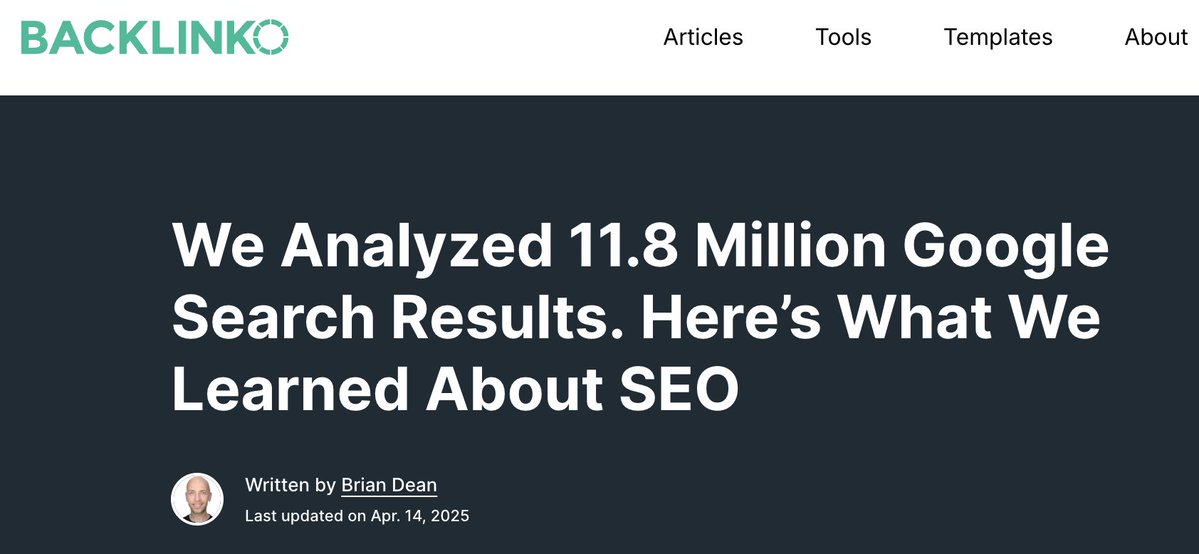
An analysis by Backlinko of 11.8 million Google results found that the #1 result had an average of 3.8x more backlinks than positions #2–#10
You’re probably stuck in this workflow:
↳ Publish an article.
↳ Export hundreds of websites.
↳ Send everyone the same template.
↳ Follow up three times.
↳ Get two replies and zero links.
The problem is that most of your prospects never had a reason to link to you.
A better workflow starts by finding proof of link intent:
↳ They already link to your competitors.
↳ They maintain a list of tools like yours.
↳ They’re citing an outdated resource.
↳ They need data or expert commentary right now.
↳ You have an affiliate program they could benefit from (This is KING)
Then you give them something worth linking to.
Here are 8 link-building workflows I would automate 👇
1️⃣ Find listicles that recommend your competitors.
↳ Ask ChatGPT, Perplexity and Gemini the questions your buyers ask.
For example:
↳ “What are the best accounting tools for startups?”
↳ “What are the best alternatives to [competitor]?”
↳ “Which tools automate SEO for small businesses?”
Record the articles and sources appearing across several answers.

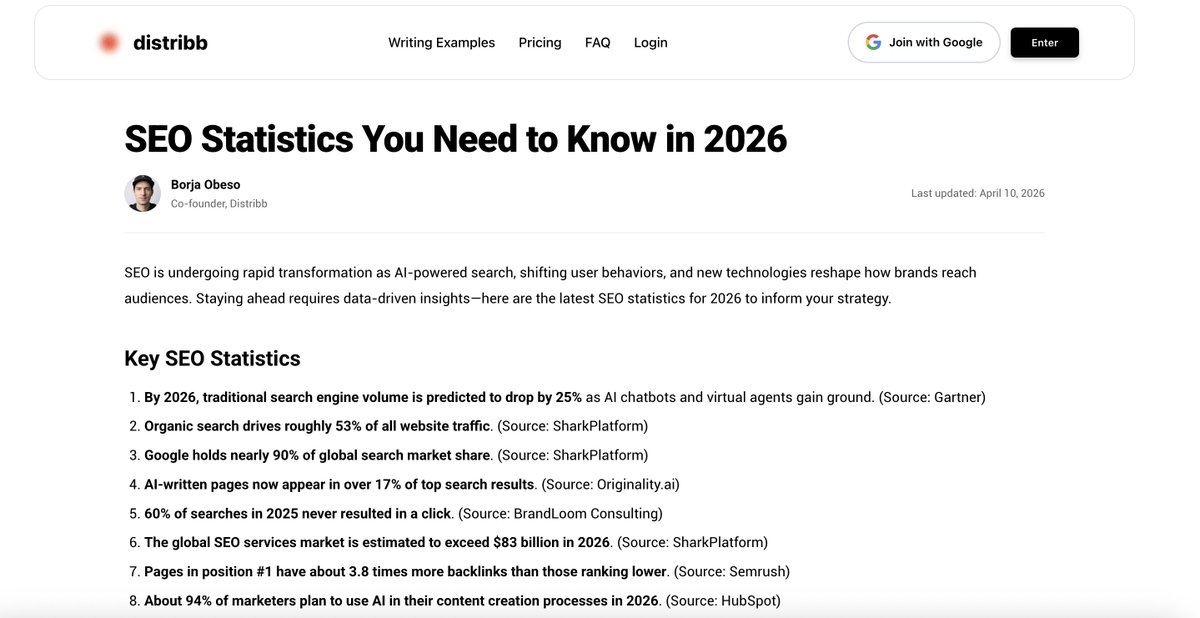
Then find the listicles that:
↳ Recommend two or more competitors.
↳ Don’t mention you.
↳ Were recently published or updated.
↳ Have a clear author or editorial contact.
Don’t email them saying:
“Please add our tool to your article.”
Show them the exact gap in their list.
Give them:
↳ The category they missed.
↳ What makes your product different.
↳ An edit-ready description.
↳ Screenshots, pricing and supporting evidence.
The author has already decided to recommend products in your category.
You’re not creating demand for a link. You’re showing them a missing option.
But keep in mind you will most likely have to pay, if you have an affiliate program, that's how you would negotiate.
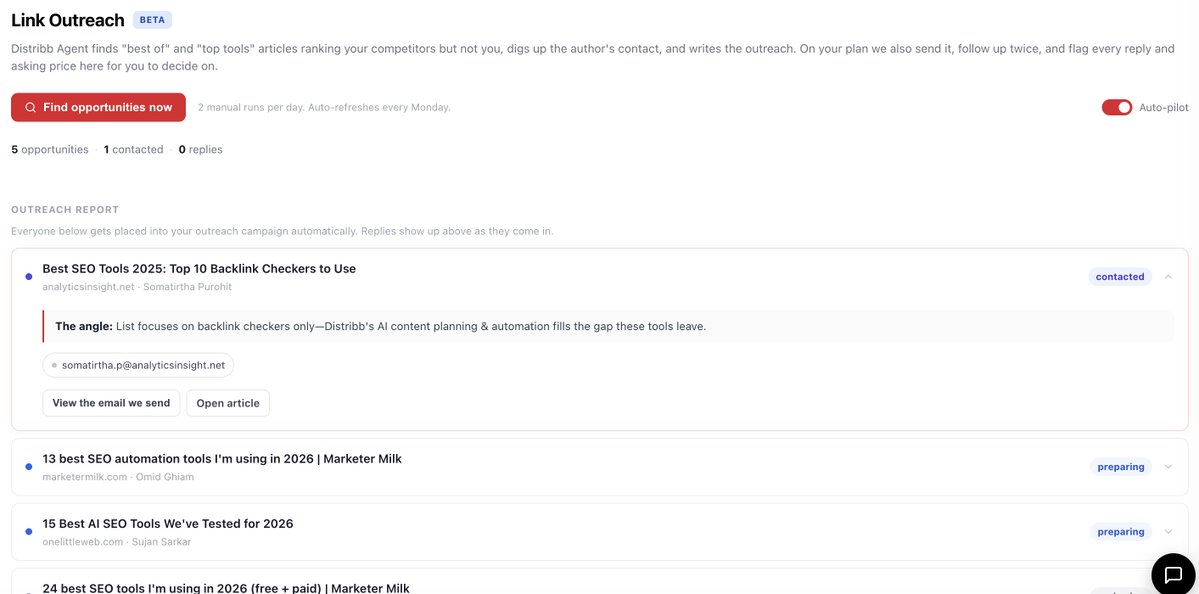
2️⃣ Reverse-engineer your competitors’ backlinks.
↳ Add three to five competitors to Ahrefs or a Distribb workflow.
↳ Find domains linking to them but not to you.
↳ Prioritize sites linking to multiple competitors.
↳ Classify how each link was earned.
Was it:
↳ A listicle?
↳ A statistics page?
↳ A founder interview?
↳ A resource page?
↳ A guest contribution?
↳ An expert quote?
Most competitor backlinks cannot be copied.
But the pattern behind them often can.
If three competitors earned links from industry resource pages, build a resource worth adding.
If they earned links through original research, create better research.
If they appeared in expert roundups, find the editor and pitch a different perspective.
The backlink tells you what that website is willing to cite.
Use that evidence before you contact them.
3️⃣ Replace broken competitor links.
Broken-link building means finding a dead page that still has backlinks, creating a relevant replacement and asking those websites to update the link.
The workflow:
↳ Find competitor pages returning a 404.
↳ Sort them by referring domains.
↳ Check what the original page contained.
↳ Remove irrelevant or low-quality prospects.
↳ Create a genuinely useful replacement.
↳ Contact every site still linking to the dead page.
Your outreach now solves a real problem:
“Your article links to a resource that no longer exists. We created an updated replacement here.”
Don’t offer your homepage unless it genuinely replaces the missing resource.
The closer your page matches the original reason for the link, the stronger the pitch.
4️⃣ Build a statistics page journalists can cite.
Choose a search query such as:
↳ “[industry] statistics 2026”
↳ “[industry] benchmarks”
↳ “[topic] adoption statistics”
↳ “[topic] trends and data”
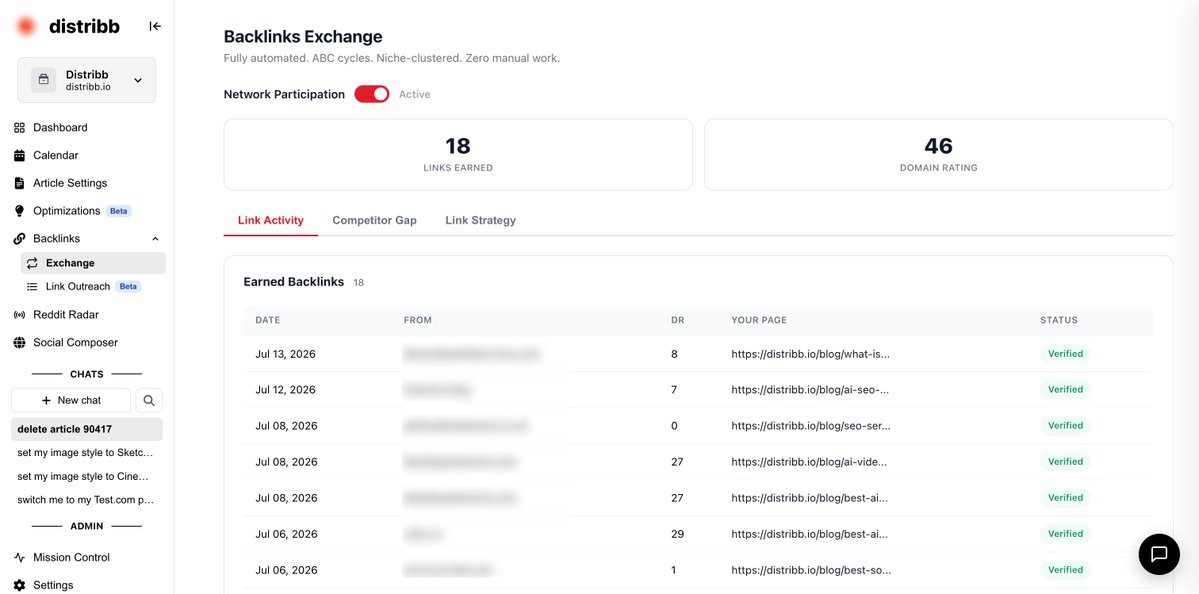
Then create one definitive page containing:
↳ Current statistics from primary sources.
↳ A direct source for every number.
↳ Clear sections organized by journalist questions.
↳ Tables and original charts.
↳ A visible update date.
↳ Short, quotable takeaways.
These keywords are often less competitive than broad commercial terms.
More importantly, the people searching them are frequently writers looking for something to cite.
Here’s the format we use:
SEO Statistics You Need to Know in 2026
Refresh the page as new research appears.
One strong statistics page can support journalist pitches, listicle outreach, social content and future articles for months.
5️⃣ Answer journalists who already need a source.
Journalist outreach works because the demand already exists.
Platforms like HARO (yes, they're back) connect experts with reporters actively requesting commentary, examples and data.
↳ Build a focused expert profile.
↳ Monitor requests related to your experience.
↳ Filter by relevance, publication and deadline.
↳ Answer the journalist’s question immediately.
↳ Add one specific insight they can quote.
↳ Offer your statistics page as supporting evidence.
Don’t turn the response into a product pitch.
Help them finish the story.
If they use your contribution, they may cite your research page or company alongside the quote.
The statistics page makes the pitch stronger because you’re bringing them a usable source, not merely asking for coverage.
6️⃣ Use an editorial backlink network.
Every business in the network is already publishing articles.
That creates opportunities for relevant citations between useful pages.
The Distribb workflow:
↳ Writes and publishes an article through the connected CMS.
↳ Finds related articles from other network businesses.
↳ Suggests citations where they help the reader.
↳ Checks topical relevance and surrounding context.
↳ Tracks the links given and received.
No unrelated placements.


No sitewide partner pages.
No exact-match anchor-text spam.
No forced “link to me and I’ll link to you” pairs.
Google explicitly warns against excessive exchanges and automated link creation, so editorial choice and relevance have to remain intact.
Automate the discovery and coordination.
Keep the citation natural.
7️⃣ Find links pointing to outdated resources.
A link doesn’t need to return a 404 to be broken in practice.
Sometimes it points to:
↳ A discontinued product.
↳ An acquired company.
↳ An abandoned report.
↳ A page that redirects to the homepage.
↳ Advice that hasn’t been updated in years.
Backlinko calls this the Moving Man Method
Monitor competitor websites, rebrands, acquisitions and discontinued tools.
When a resource becomes outdated:
↳ Find every page linking to it.
↳ Create or identify a current replacement.
↳ Explain exactly what changed.
↳ Offer the updated resource.
The old link still works technically.
It just stopped helping the reader.
That gives the author a reason to replace it.
8️⃣ Reclaim unlinked mentions and assets.
Search for websites already using:
↳ Your brand name.
↳ Your founder’s name.
↳ A proprietary statistic.
↳ A chart from your research.

↳ A screenshot of your product.
↳ A quote from your team.
Then check whether they cited the original page.
If they didn’t:
↳ Identify the author or editor.
↳ Show them the exact mention or asset.
↳ Give them the correct source URL.
↳ Ask for attribution so readers can verify it.
This is warmer than normal cold outreach.
They already know your work.
You’re asking them to complete the citation.
Doing this manually is a lot of work, so we automated it inside the Distribb AI SEO Skill:
↳ Define the trigger.
↳ Choose the research sources.
↳ Add qualification rules.
↳ Create the required linkable asset.
↳ Find and verify the right contact.
↳ Draft personalized outreach.
↳ Queue it for approval.
↳ Track replies and follow-ups.
Build systems that continually find reasons for other websites to cite you.
The Skill researches the opportunities, creates and publishes the assets, finds the contacts, prepares the outreach and coordinates relevant editorial links across the network.
You review the opportunities worth pursuing.
Automate your link-building workflows with Distribb.
Thanks for reading! 🙏
Borja
Links
Related articles

Fable 5 Masterclass for LLM SEO (full B2B playbook)
we've spent the last 2 years running LLM SEO for over 100 B2B companies...
Fable 5 Masterclass for LLM SEO (full B2B playbook)
we've spent the last 2 years running LLM SEO for over 100 B2B companies...

I Brutally Modified My Front-End Design Skill ~ Now My UIs Don’t Look Like AI Crap
To create a custom Claude skill, navigate to Customize > Skills in your Claude interface, click the + button, and select + Create skill